As EV adoption accelerates, the race between manufacturers to master thermal management has also been heating up...
 Thermal losses limit driving distance, fuelling range anxiety. This includes heat loads from core components such as batteries, motors, and inverters. For example, in cold environments, up to 40% of an electric vehicle’s energy is consumed by cabin heating and battery thermal regulation.
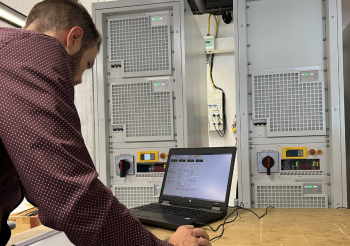
HORIBA MIRA, a world leader in mobility engineering and testing, have created the Vehicle Thermal Energy Optimisation Suite (VTEOS). This is a miniature wind tunnel for early stage testing of sub-assemblies, rather than testing an entire vehicle. The VTEOS enables development of thermal systems at a fraction of the cost and time, when compared to full scale climatic wind tunnel testing.
A custom control strategy in the VTEOS replicates the operational behaviour of the final vehicle. Heat loads are applied via condenser air flow (temperature and humidity), temperature controlled coolant, and evaporator recirculated air.
The facility was having issues with their older IGBT based DC power supply in the VTEOS rig frequently tripping. This was due to modern HV automotive components operating at faster switching frequencies. The components are necessary to allow smaller, lighter, and more efficient devices - which in turn increase EV range.
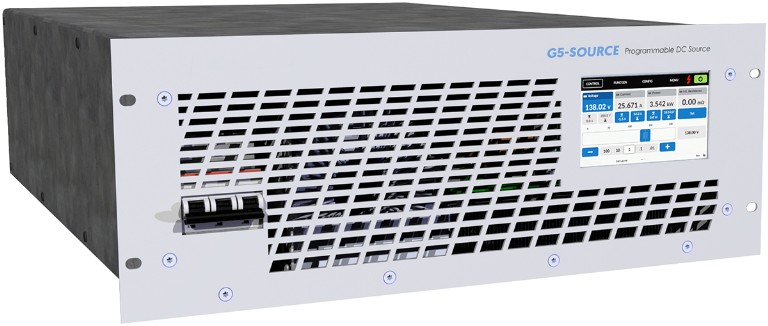
ETPS supplied them with a modern silicon carbide design with response times of less than 50µs. This allowed HORIBA MIRA to reliably supply modern components with highly dynamic demands for uninterrupted testing.
Click here to read the full story.